
Balancing For
Automotive parts
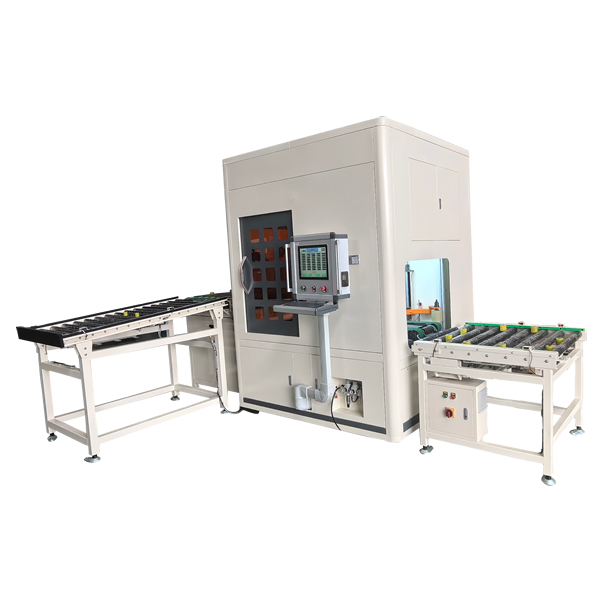
Automotive parts balancing machines are used to measure and correct the imbalance of rotating components in vehicles. Common automotive parts that require dynamic balancing…
Explore application →Industrial balancing technology
From universal rotor balancing to fully automatic production cells, iBalancing helps manufacturers select, integrate and support the right balancing system.

Automatic straightening technology
Measure runout, calculate correction and straighten shafts, rotors, screws and tubes with a solution configured around your workpiece and production target.

Applications & solutions
Balancing For
Automotive parts balancing machines are used to measure and correct the imbalance of rotating components in vehicles. Common automotive parts that require dynamic balancing…
Explore application →Balancing For
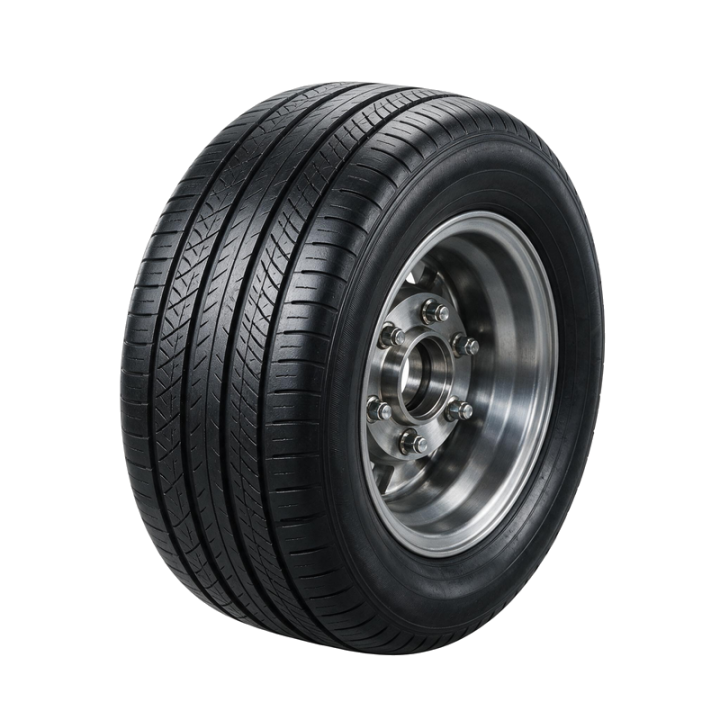
In a wheel system, the tire and the wheel/rim together form the wheel assembly. Whether a wheel runs smoothly at high speed depends on…
Explore application →Balancing For
This application field covers UAVs and low-altitude aircraft. When used for balancing machines, it generally refers to applications for dynamic balancing inspection of rotating…
Explore application →Balancing For
A humanoid robot is a robot with a human-like form and movement, typically used for research, education, or specific tasks. In the context of…
Explore application →Product families
JizhI manufacturing and sales of automatic balancing machines, and actively promote the new energy industry, Aerospace, high-speed dynamic balancing and intelligent manufacturing fields.
Explore category →Our automatic straightening machine products include 100-ton straightening machines, 30-ton automotive shaft parts straightening machines, 10-ton lightweight straightening machines, 1-ton and 500KG ultra-lightweight…
Explore category →Jizhi's Non-standard Automatic Line products include EPS stator automatic line, rotary motor stator automatic line, automobile blower brushless line, automobile brushless cooling fan…
Explore category →Quick answers
A useful recommendation depends on the physical rotor, production target and correction process. These inputs narrow the machine architecture and automation level.
Share the rotor type, dimensions, mass, shaft or bearing arrangement and representative drawings or samples.
Correction may involve drilling, milling, welding weights or another controlled process. The method affects guarding, tooling and cycle design.
Target takt time and loading method determine whether a manual, semi-automatic or fully automated solution is appropriate.
State the applicable balance quality grade, residual unbalance requirement and any traceability or data-interface needs.
Machine catalogue
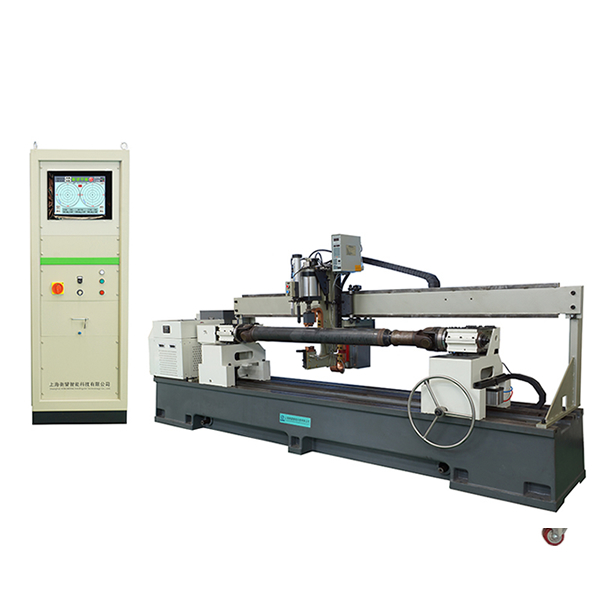
Drive Shaft Balancing Machines 1.Simple to use software with intuitive unbalance correction displays. 2.Ultra-high accuracy and repeatability. 3.Global supply and global support.
View machine →It is mainly suitable for the dynamic balance correction of various types of micro rotors such as electric tools, small household appliances, and…
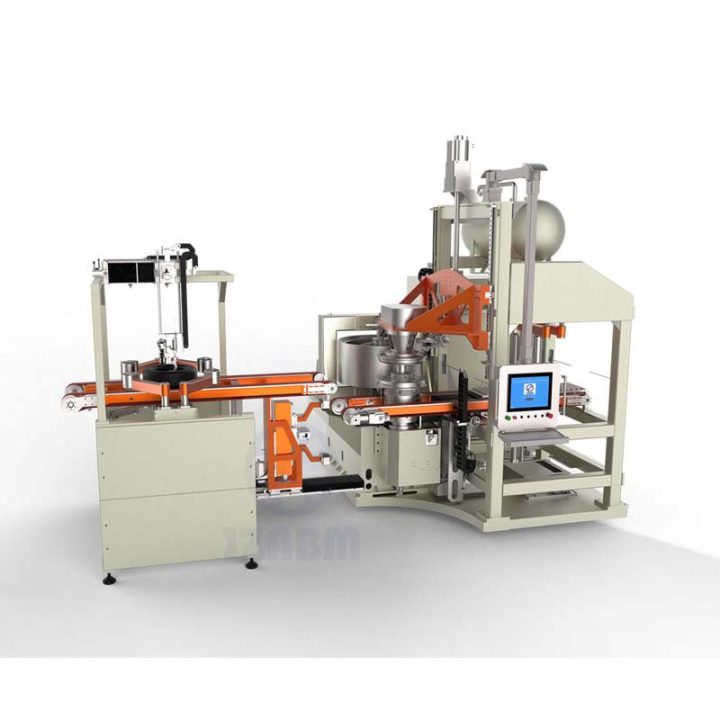
View machine →Tire Uniformity Testing Machine is a fully automatic testing system dedicated to the uniformity and geometric dimension inspection of automotive tires. It is…
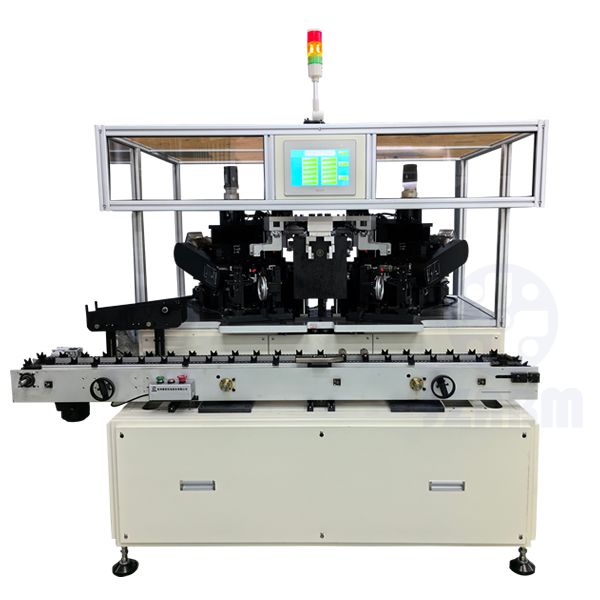
View machine →It is specially designed for fully automatic detection of runout/dynamic balancing of automobile wheels Line, suitable for runout/double-sided unbalance detection of aluminum alloy…
View machine →It is suitable for jumping measurement and straightening of household appliances, motor rotor, rotor stator and other products.
View machine →It is suitable for dynamic balancing detection and correction of new energy motors. It has the function of electric tool setting, and users…
View machine →Model No: DBW-TM01 Measuring speed: 1500 ~2700rpm Power:Single-phase/AC220V Rotor range:Φ10~85mm Weight:0.1T Volume:1100mm × 500mm × 660mm
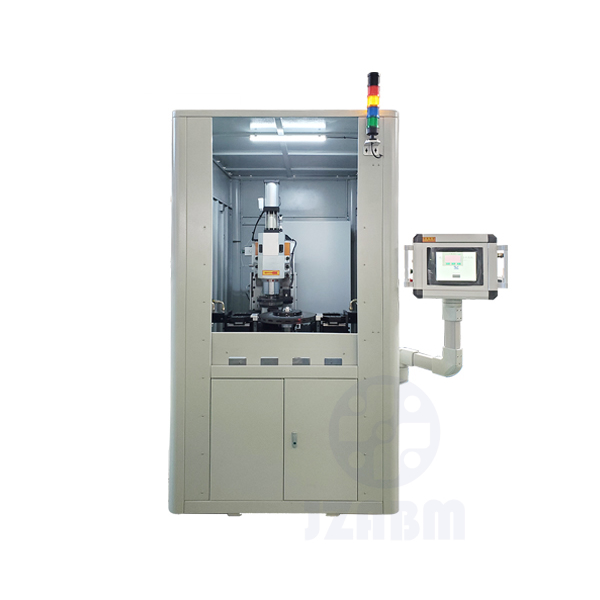
View machine →Single station automatic balancing machine for car brake disc is a newly customzied device by JIZHI Balancing Machines (JZABM). It features with auto…
View machine →Project path
Confirm the workpiece, tolerance, correction method, loading and cycle requirements.
Select the machine architecture, tooling, safety concept and controls interface.
Test the process against agreed parts and acceptance criteria before delivery.
Plan commissioning, operator training, maintenance and future process changes.
Knowledge and updates
2026-06-26
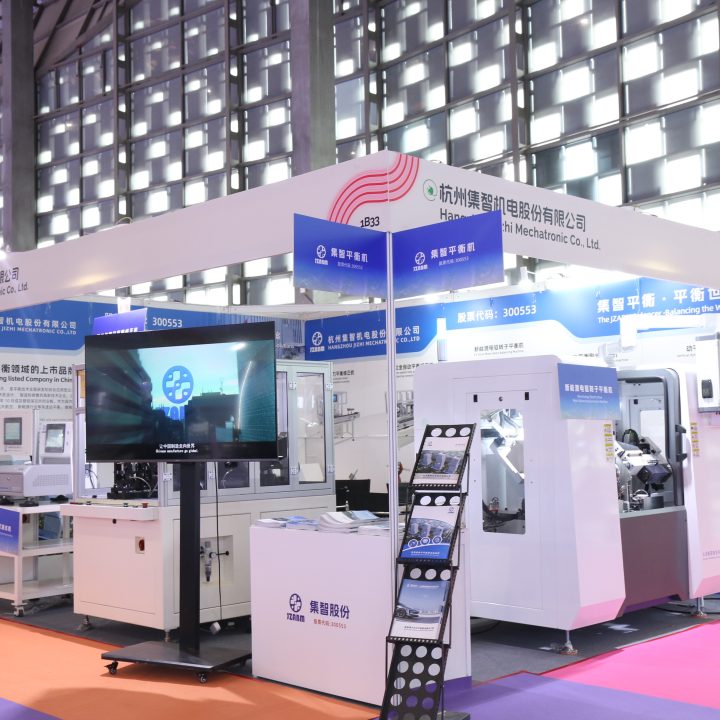
The CWIEME Shanghai International Coil Exhibition 2026 took place from June 24 to 26 at the Shanghai World Expo Exhibition and Convention Center.…
Read article →2026-05-22
From May 20 to 22, 2026, the “2026 Brushless DC and Permanent Magnet Synchronous Motor Seminar” was held in Hangzhou, Zhejiang Province. The…
Read article →2026-05-22
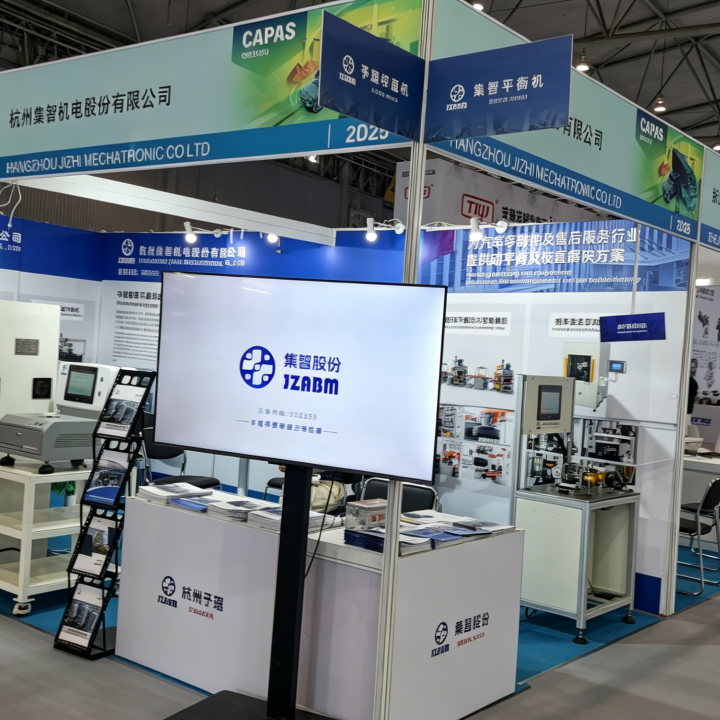
On May 21, 2026, the Chengdu International Automobile Parts and After-sales Service Exhibition (CAPAS) officially opened at the Century City Convention and Exhibition…
Read article →2026-05-15
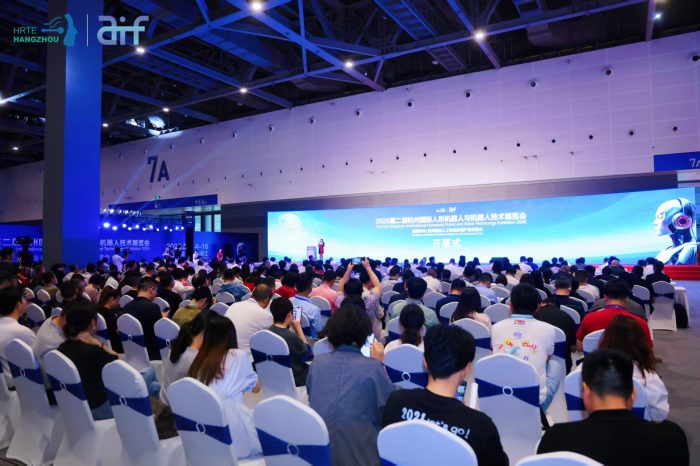
On May 14, 2026, the 2nd Hangzhou International Humanoid Robot and Robotics Technology Exhibition opened grandly at the Hangzhou Grand Convention and Exhibition…
Read article →Proven in production
2025-02-18
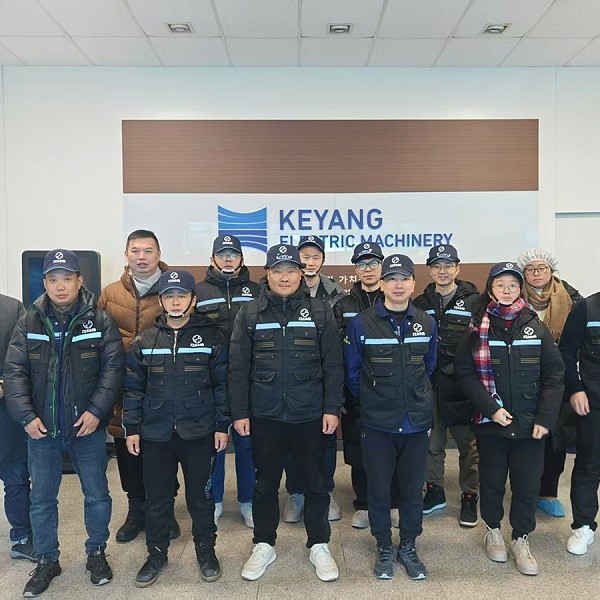
Our technical team recently completed a successful custom installation and commissioning of intelligent equipment for Keyang, a leading precision electronics manufacturer. This marks…
Read article →2024-12-10
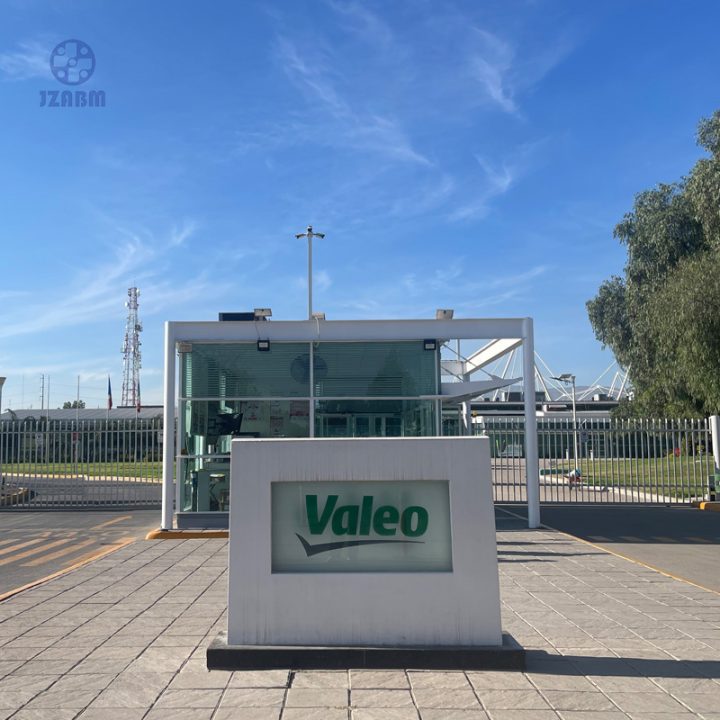
Recently, the technical and after-sales service team of JZABM successfully completed a visit to customers in Mexico. This visit not only deepened the…
Read article →2024-10-26
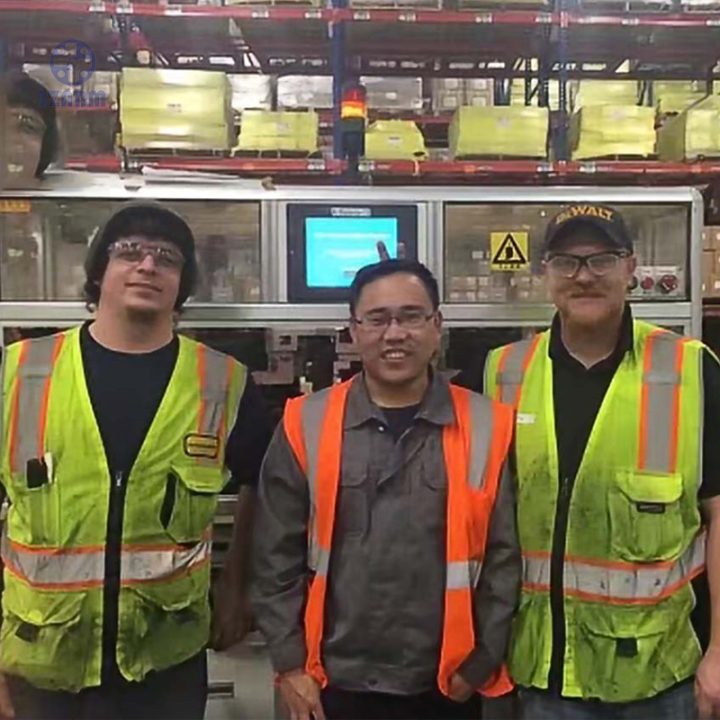
Black & Decker is a globally recognized manufacturer of tools and appliances, founded in 1910 and headquartered in Maryland, USA. The company focuses…
Read article →2024-10-26
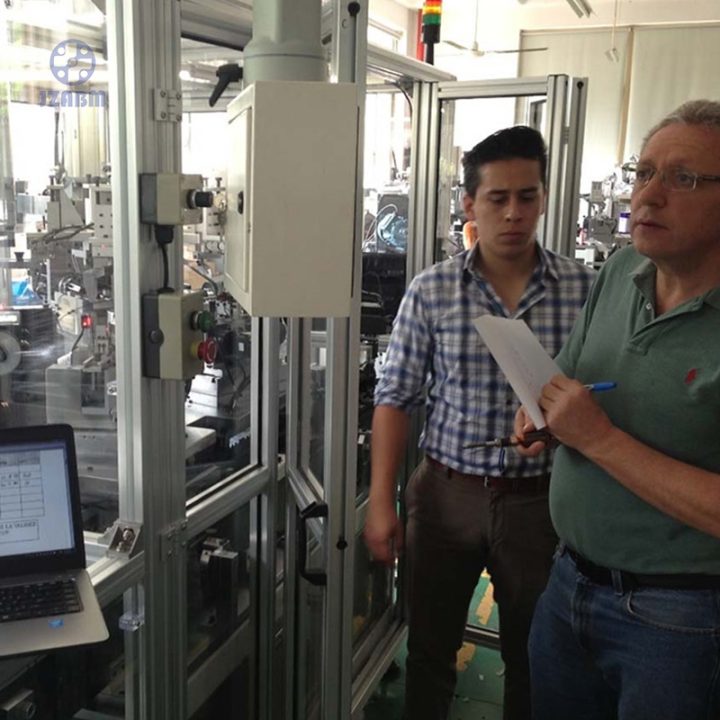
Bosch is a global leader in technology and services, headquartered in Germany. Bosch Mexico provides innovative solutions across various sectors, primarily in automotive…
Read article →Trusted worldwide












Engineering support
Tell us the workpiece, mass range, production rate and current process. Our team will respond with the most suitable configuration.